Is there a difference in conductivity between drinkable and non-drinkable water? 【Basic Knowledge】
Measured with a conductivity meter! What do the differences in values between household groundwater and non-potable well water reveal about water quality standards?
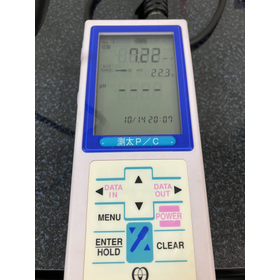
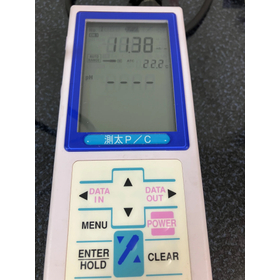
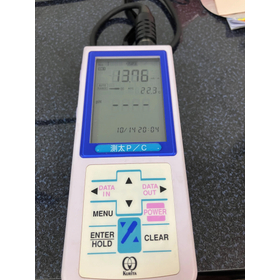
■What happens when you actually measure groundwater with a conductivity meter? We measured two types of well water (not suitable for drinking) and groundwater used as household drinking water (pumped from 25m underground) with a conductivity meter. The results were: household drinking water at 13.76 mS/m, well water 1 (not suitable for drinking) at 7.22 mS/m, and well water 2 (not suitable for drinking) at 11.38 mS/m. ■What does electrical conductivity represent? Electrical conductivity is an indicator that changes based on the amount of dissolved minerals (ions) such as calcium and magnesium in the water. A higher value indicates a greater presence of electrolytes in the water. ■What does it mean that the drinking water has a higher value? In this case, the household drinking water had a higher conductivity than the two types of well water that are not suitable for drinking. Conductivity is merely a guideline for the amount of dissolved ions, and a higher value does not directly indicate safety. The suitability for drinking is determined not only by this value but also through comprehensive testing based on water quality standards. If you are having trouble with water quality management in your facilities, please feel free to consult us first.
- Company:トリイ
- Price:Other